
Open-plan spaces with large windows and lots of light improve our physical and mental health by boosting mood, supporting better sleep and reducing levels of stress.
I was really curious when reading an article about how many old New Yorkers who moved to industrial lofts are now living well into their 90's.
Joshua Charow carried out research into NYC's Original Artists living in loft apartments. His book was about the last generation of artists protected by the 1982 loft law.
These buildings had no heating, no electricity and no plumbing but they had, large ceilings, space and lots of natural light.
Artists fought for their spaces,Save our lofts Campaignuntil they gained the loft law in June 1982.
One artist was 96 years young.
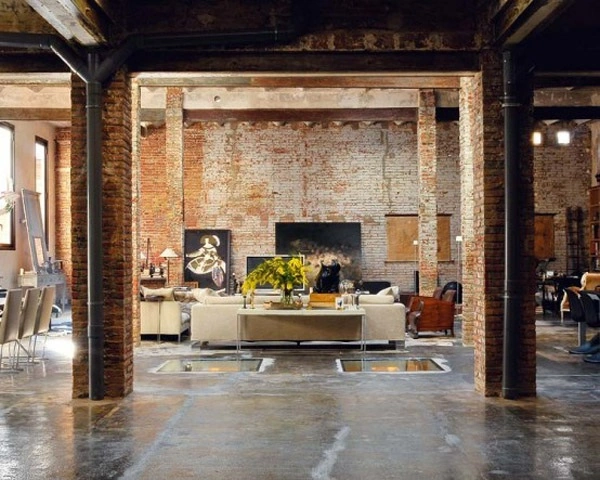
The connection between health and living spaces
Where we rest and lay our head is where we find comfort, safety and is the space for us to relax.
So why are loft spaces beneficial for health?
High Ceilings Boost Creativity: Rooms with ceilings ten feet or higher stimulate the brain's visual exploration mechanisms. This expansiveness reduces cognitive fatigue and encourages abstract thinking.
Massive Windows Enhance Mood: Tall industrial windows flood spaces with natural light. This significant light exposure raises Vitamin D levels, regulates sleep cycles, and combats seasonal depression
Open Layouts Prevent Burnout: Eliminating physical barriers reduces the feeling of confinement found in typical apartments. Open floor plans offer immense layout flexibility, lowering environmental stress.
Psychological and Emotional Benefits
When we design and build homes in the UK are we really thinking about the well being of the occupant?
If we want productive people in society we need to make spaces for them to be productive, energised, revitalised and ultimately a space for recharging.
Here are some benefits of natural light and open spaces:
- Enhances mood: Exposure to natural light boosts serotonin production to elevate overall happiness.
- Lowers depression risks: Increased daylight mitigates symptoms of Seasonal Affective Disorder (SAD).
- Reduces anxiety: Open sightlines eliminate feelings of physical entrapment and claustrophobia.
- Calms the nervous system: Expansive views of the outdoors lower cortisol levels and blood pressure.
- Improves emotional stability: Generous space provides a sense of personal freedom and control.
Cognitive and Behavioural Benefits
Larger living spaces encourage movement, they allow us to move around more freely without feeling boxed in and restricted.
- Boosts productivity: Daylight environments increase focus, processing speed, and mental stamina.
- Drives creativity: High ceilings and open vistas encourage abstract thinking and problem-solving.
- Improves sleep quality: Natural light regulates the circadian rhythm for deeper nighttime rest.
- Restores mental energy: Glancing out wide windows offers "micro-breaks" that combat mental fatigue.
- Encourages movement: Large layouts prompt people to pace, stretch, and change postures frequently.
Social and Environmental Benefits
Living spaces that allows us to invite friends and have gatherings, to create a social space that is inviting to others.
With more and more us spending time at home whether it be home working, watching movies, playing games or cooking meals, our spaces need to be multi purpose spaces.
- Combats loneliness: Visual openness creates a sense of inclusion and shared community.
- Facilitates communication: Removing walls removes barriers to casual, spontaneous conversations.
- Harmonises airflow: Open spaces prevent the stuffy, stagnant air quality typical of tiny rooms.
Summary
As we look to the future of modern living designers and builders need to create spaces for multi functional living.
Spaces we can work from, cook meals, watch movies, invite friends and even work out at home.
Going out less and less will mean spending long hours in our homes. Homes should not feel like cages, they should be our comfortable, safe space so this means natural light, high ceilings, open plan living.